Listen on:


Episode overview
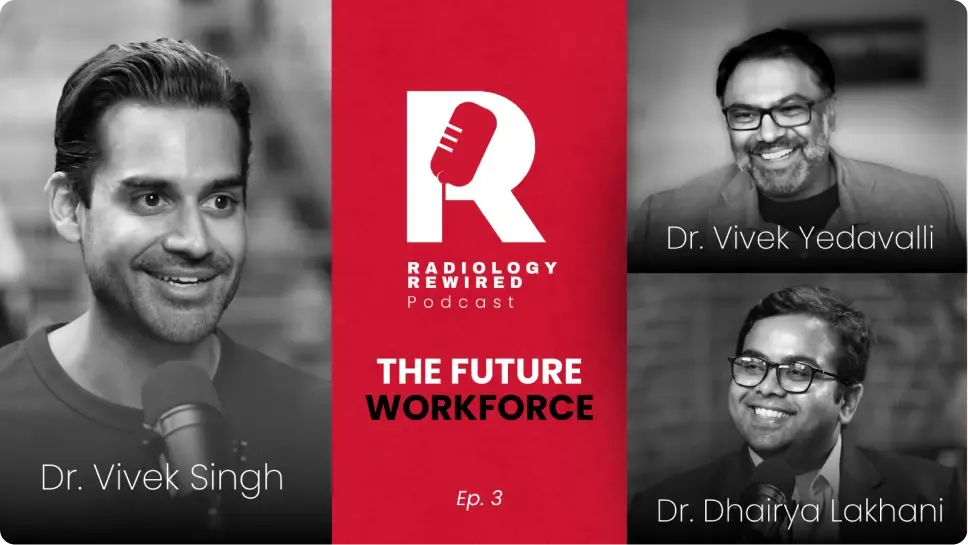
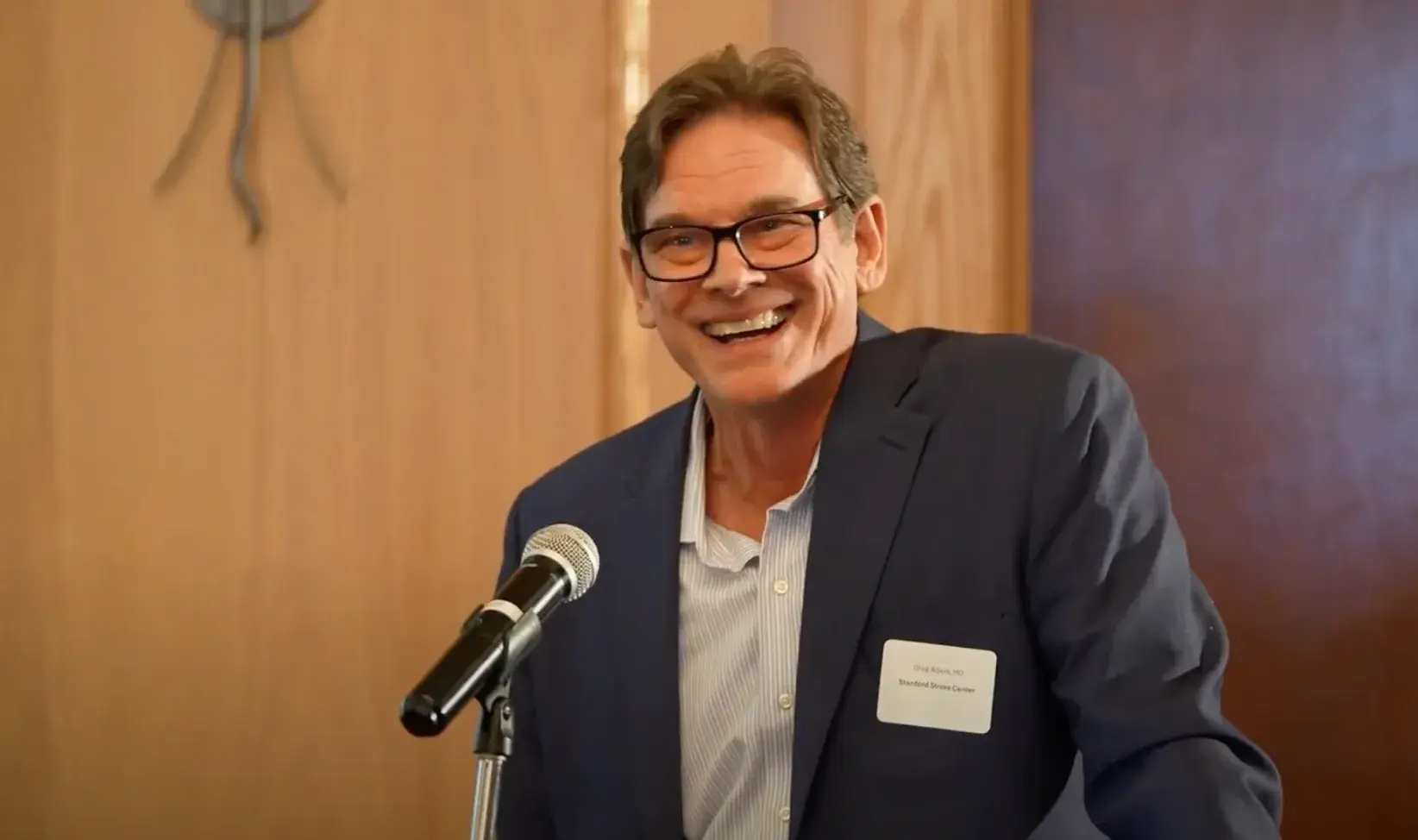
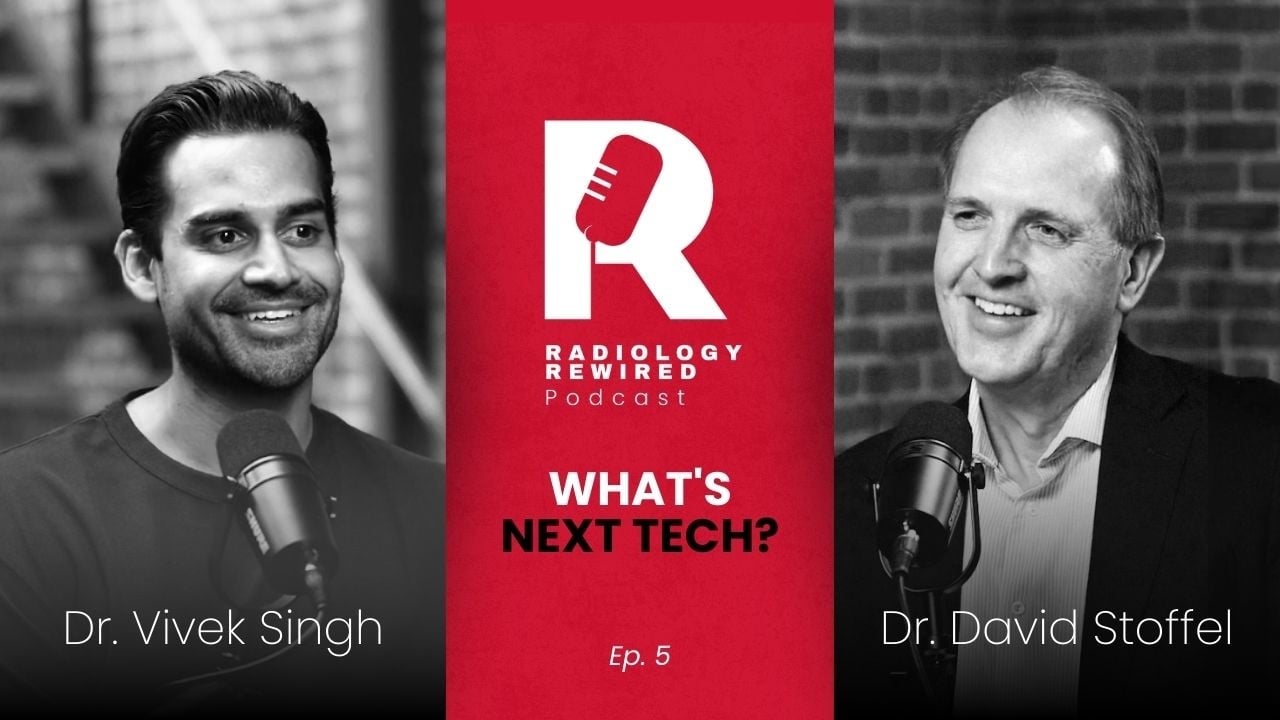
In the second episode of Radiology Rewired, Dr. Singh sits down with Dr. Jeremy Heit, Director of Neuroimaging and Neurointerventional Services at Stanford, to explore the most pressing challenges facing radiology today, from workforce shortages to the rising burden of imaging demand.
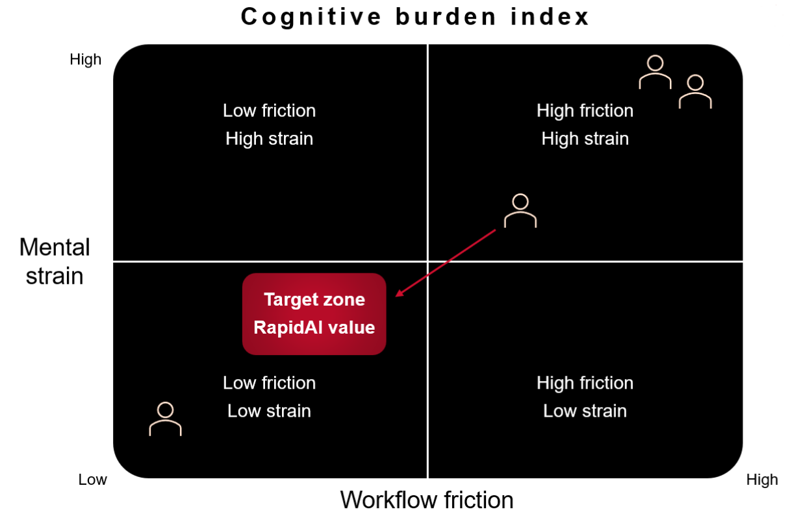
Dr. Heit discusses why 39 percent of radiologists are considering leaving the field, how private equity consolidation is reshaping career paths, and why medical students remain wary of radiology amid rapid advances in AI. He also breaks down how imaging volumes have accelerated far faster than the radiology workforce, and why deep clinical AI will be essential to closing this widening gap.
This episode offers an unfiltered look at burnout, practice pressures, and the evolving role of AI in radiology.
Dr. Heit discusses why 39 percent of radiologists are considering leaving the field, how private equity consolidation is reshaping career paths, and why medical students remain wary of radiology amid rapid advances in AI. He also breaks down how imaging volumes have accelerated far faster than the radiology workforce, and why deep clinical AI will be essential to closing this widening gap.
This episode offers an unfiltered look at burnout, practice pressures, and the evolving role of AI in radiology.
Episode highlights
00:00
Introduction: workforce pressures and burnout
01:00
The collapse of traditional private practice models
02:15
Why medical students fear entering radiology
03:56
Understanding the 39 percent burnout statistic
05:23
How AI has reshaped stroke care and transfer decisions
08:30
Imaging volume growth vs. workforce capacity
11:00
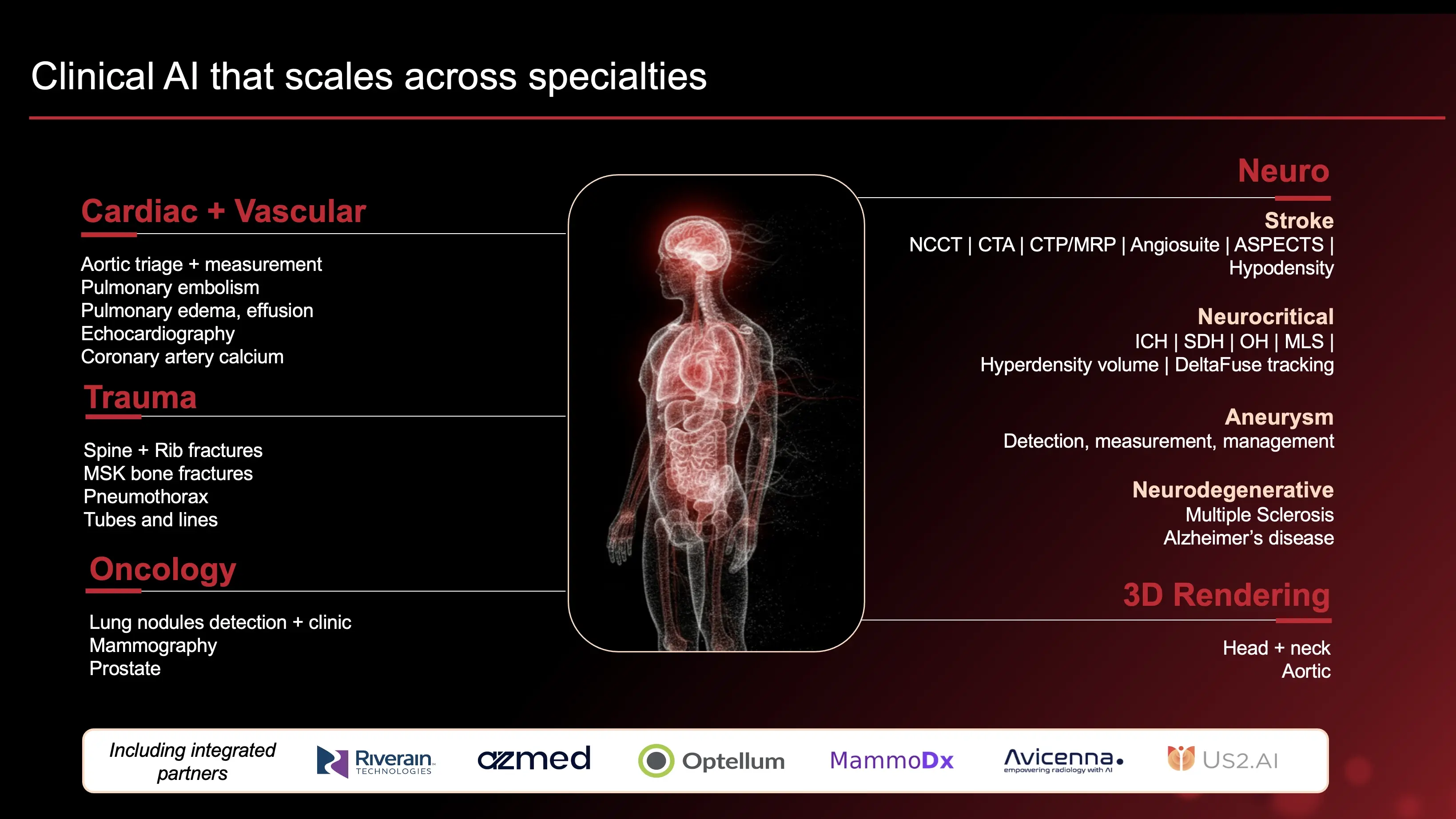
What makes an AI tool clinically valuable
13:00
The future of AI adoption and physician-led innovation
.png)