

Radiology
Practice at the top of your license
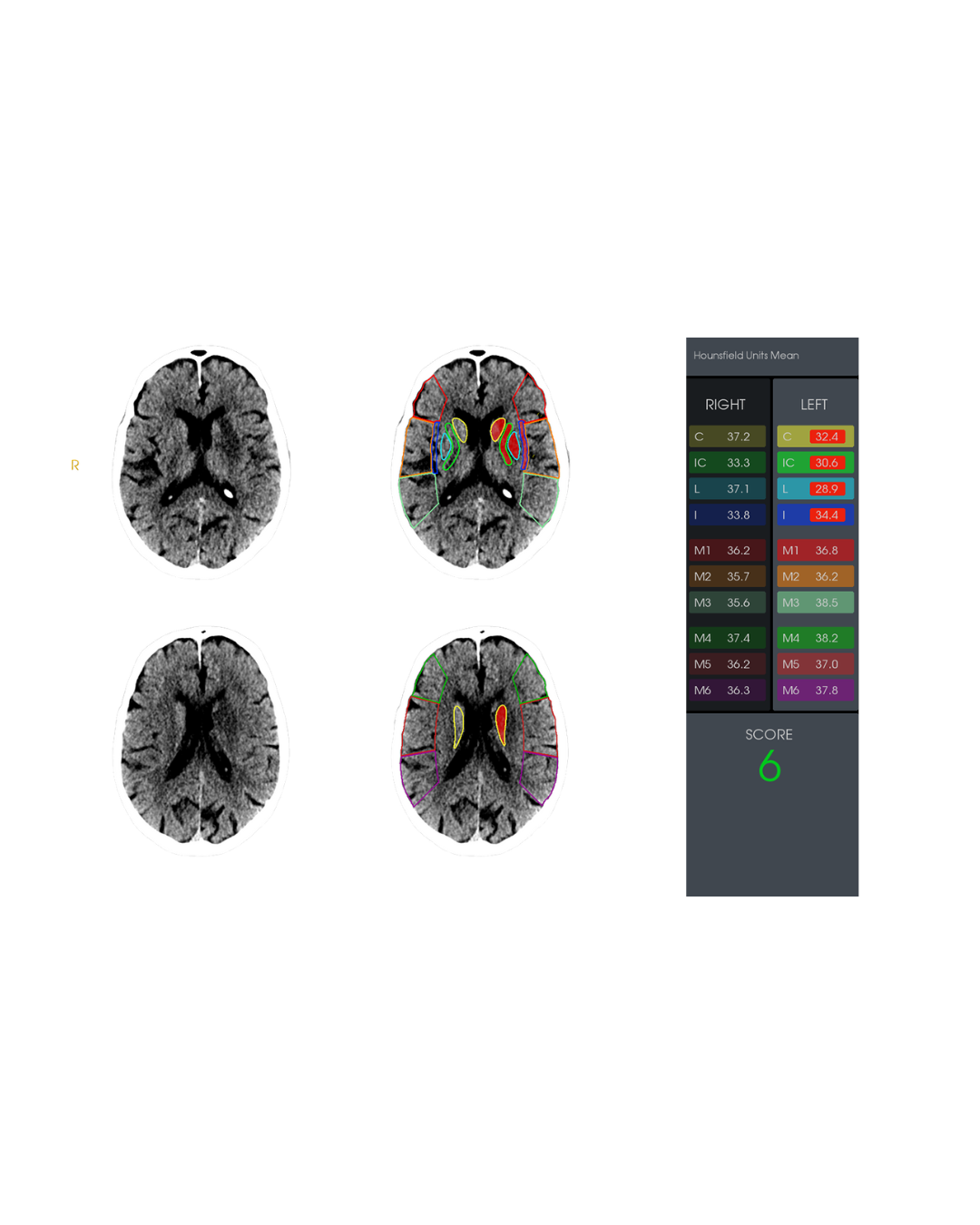
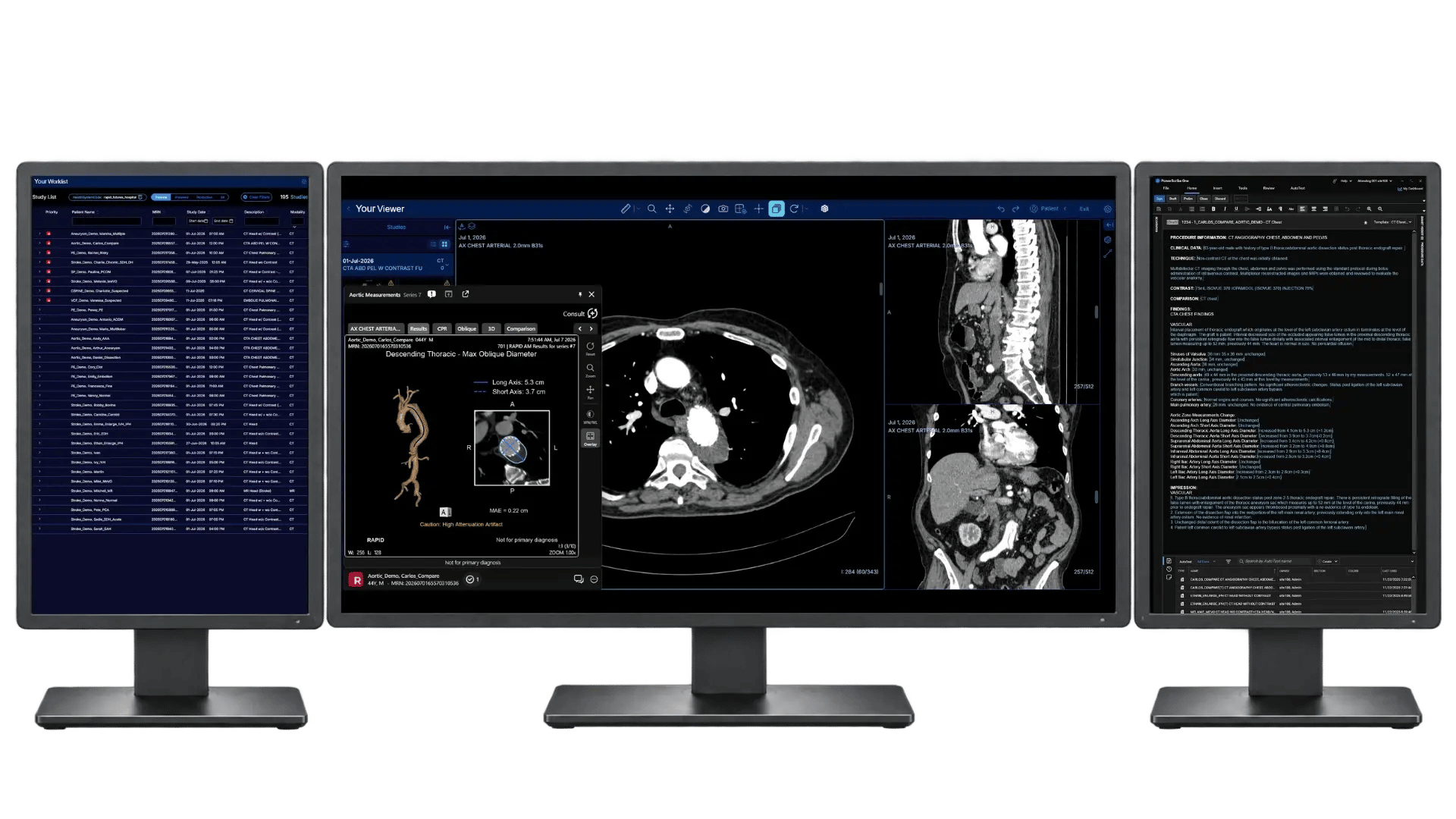
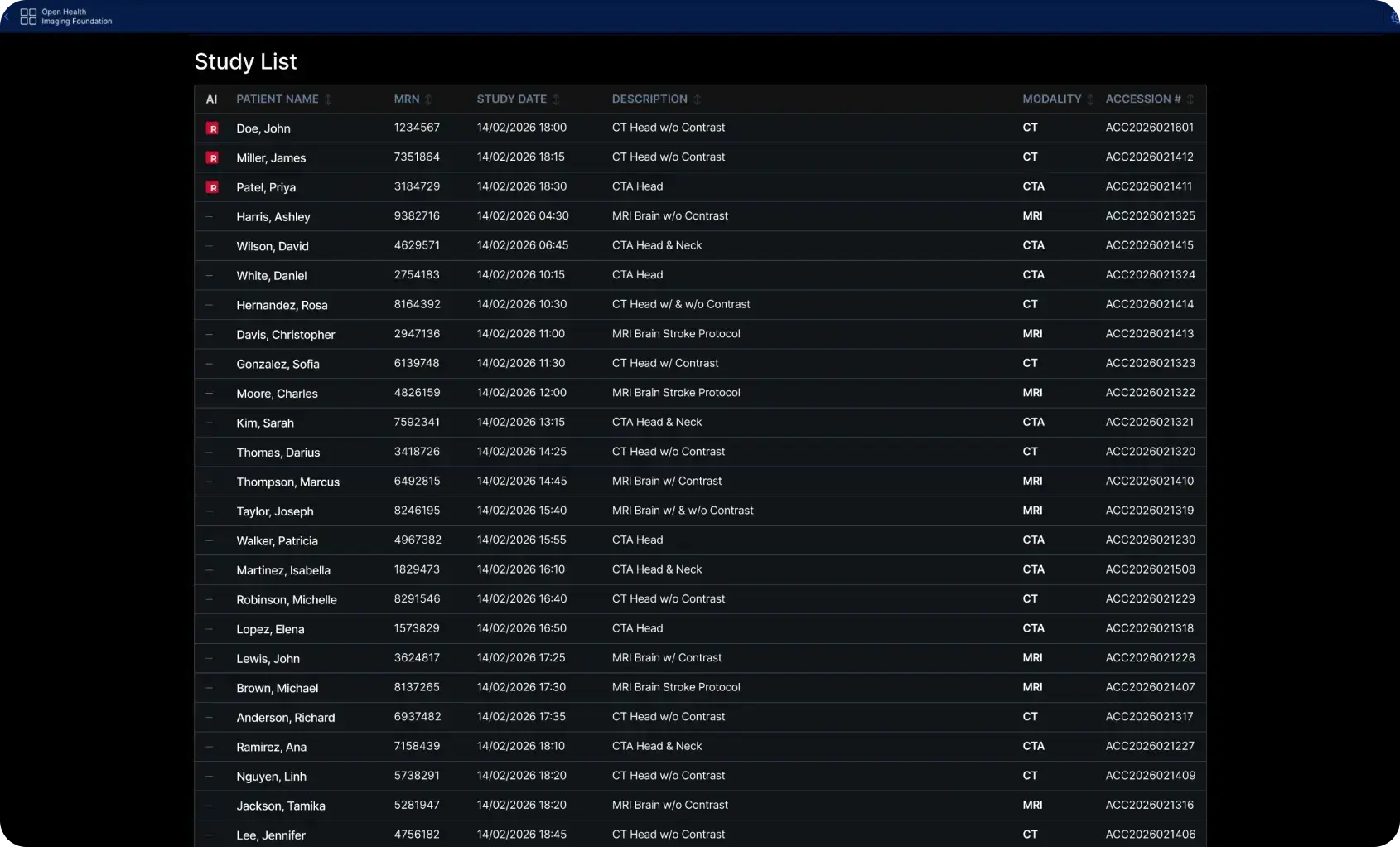
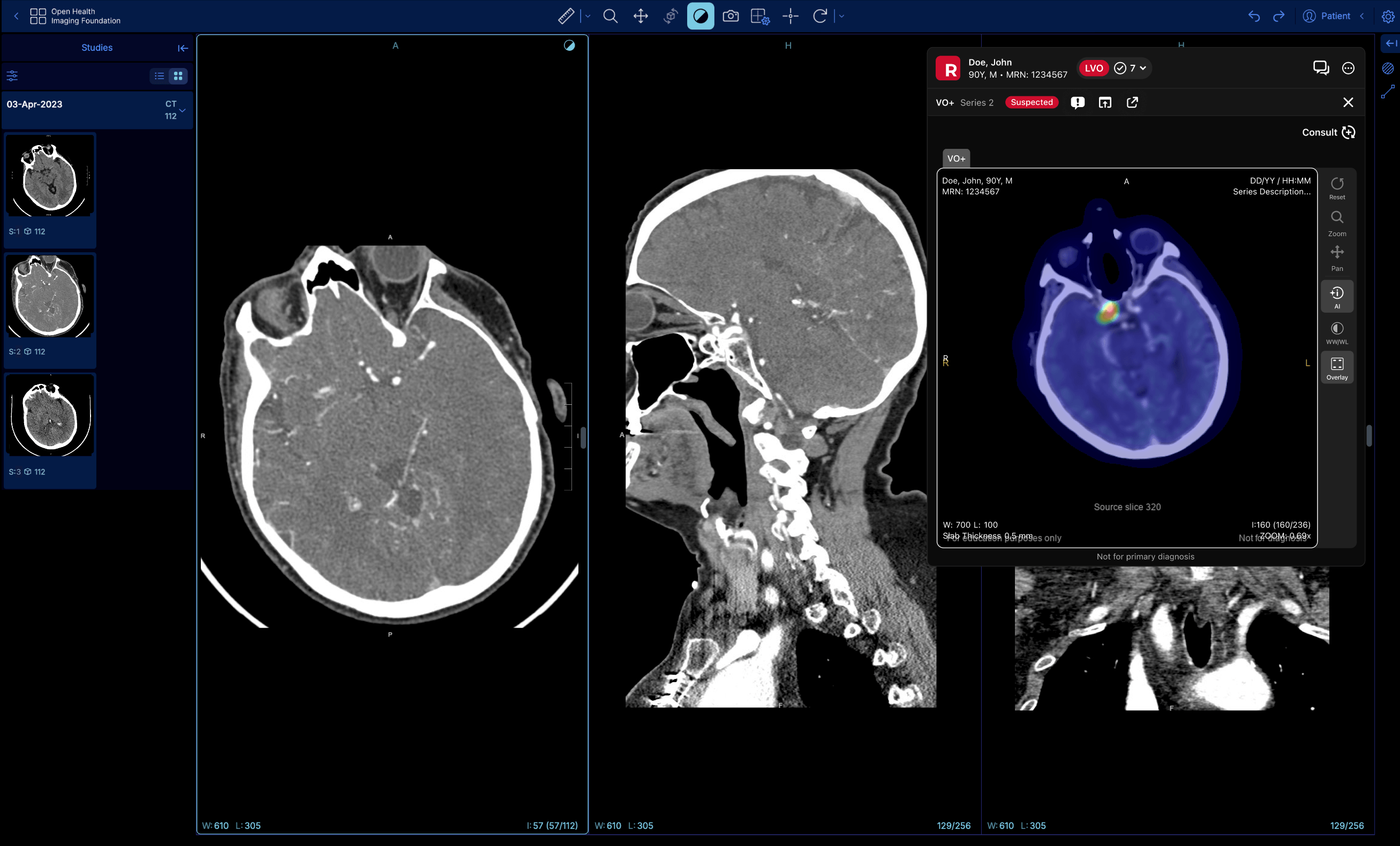
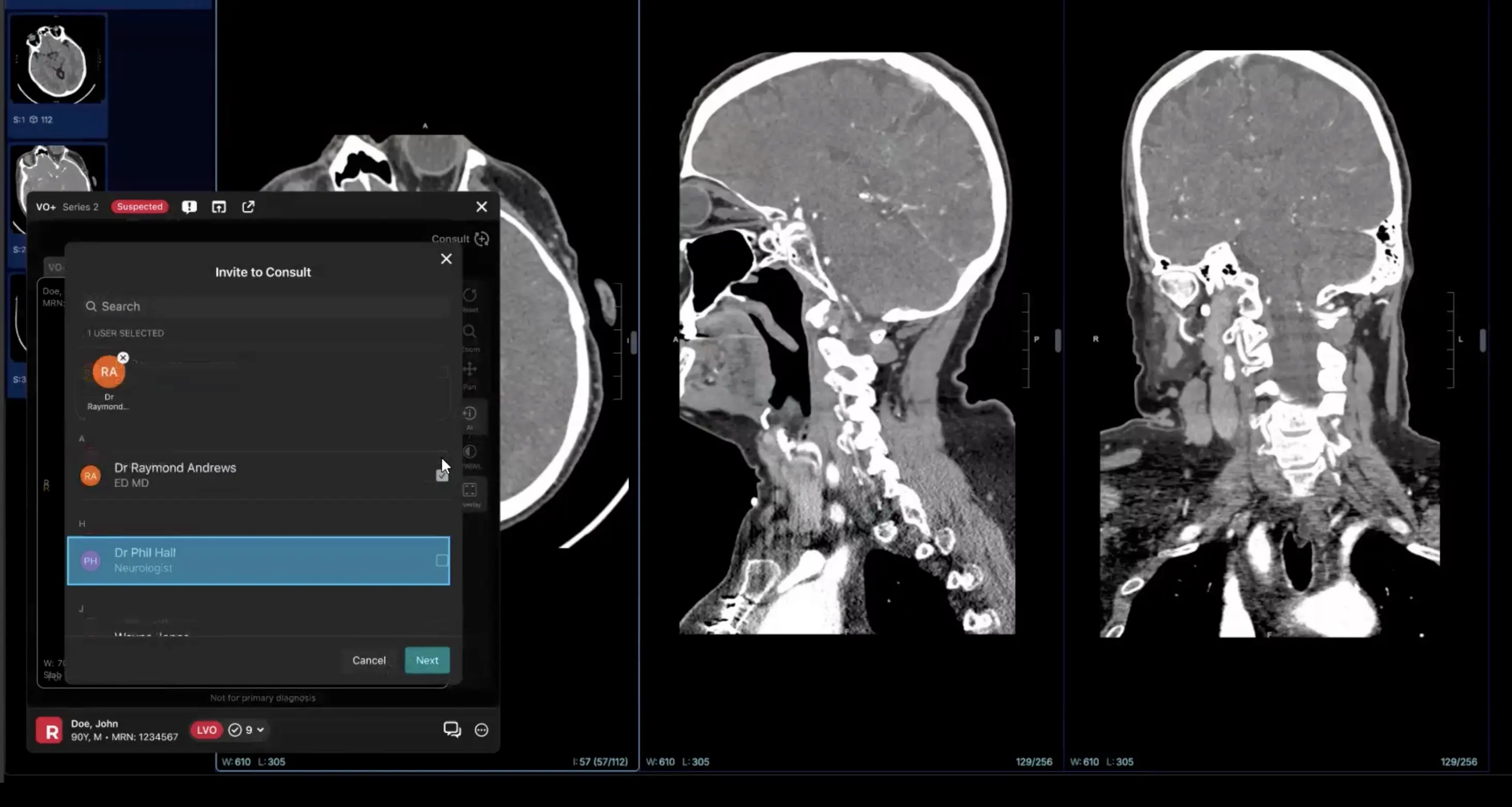
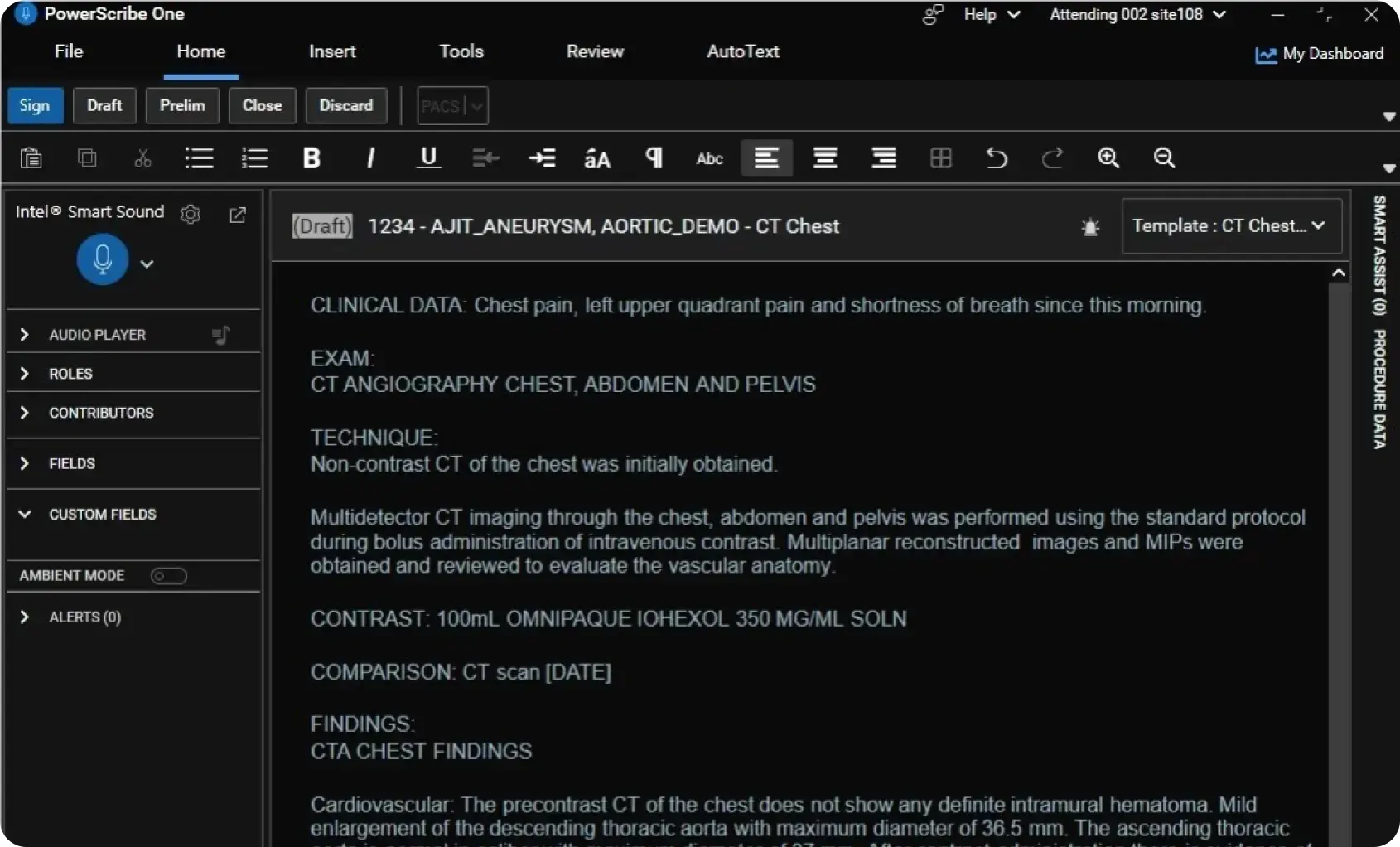
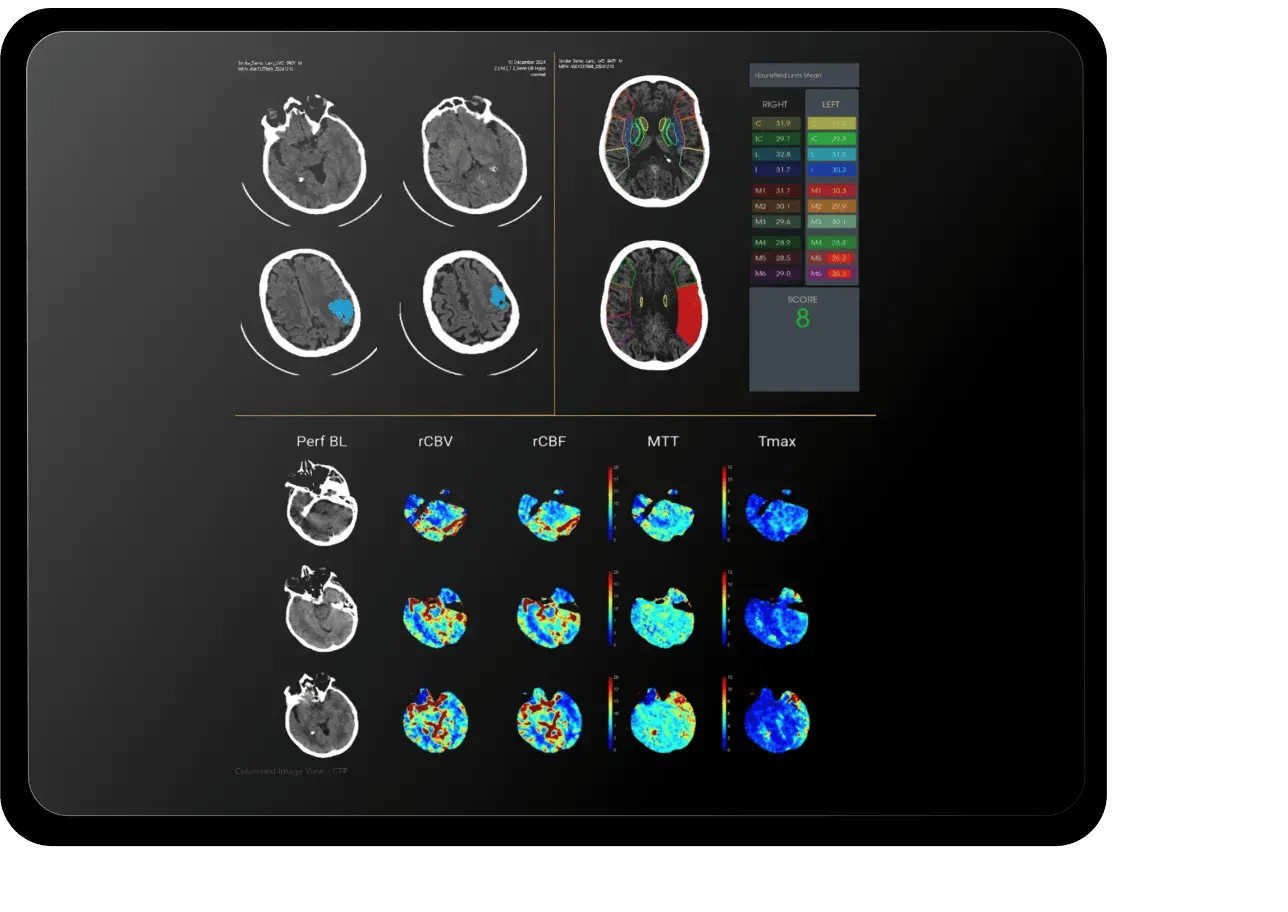
Navigator Pro capabilities
AI-driven worklist prioritization
Rad Assistant
Review AI findings, measurements, and clinical context within your PACS workflow.
Optionally review and confirm AI results before committing to PACS.
Integrated communication
Consult with colleagues, communicate with ordering providers, and share cases directly from your reading environment.
Automated reporting
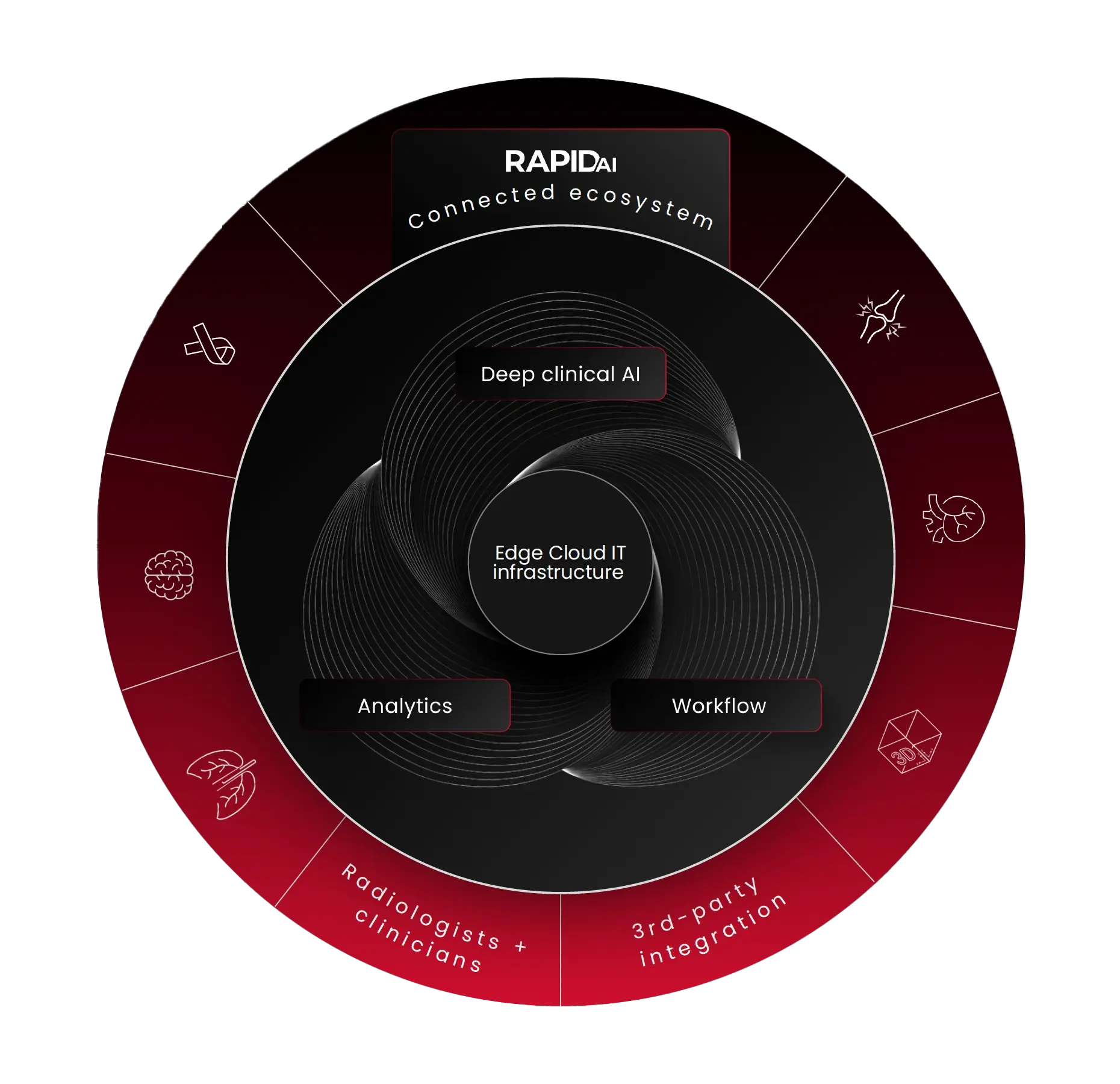
Enterprise connectivity
Designed around how radiologists actually read
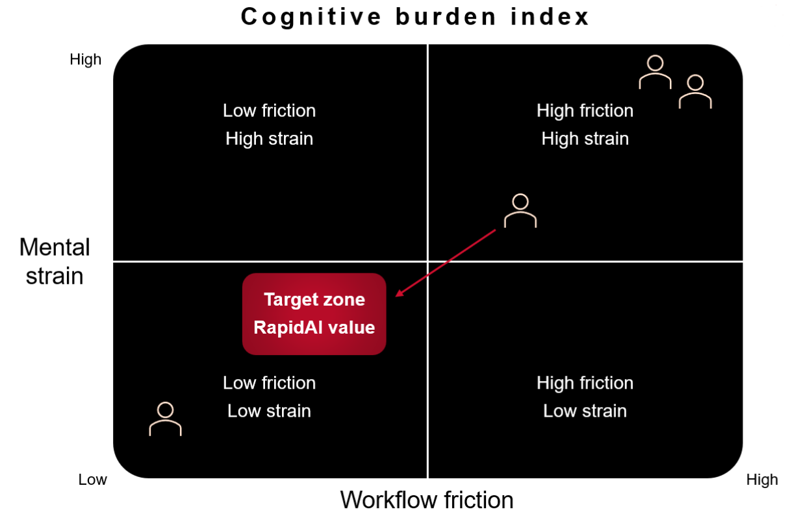
Navigator Pro gives radiologists a meaningful head start, showing where to look first, providing quantification up front, and reducing the strain of starting every case from scratch.
How it helps:
- Surfaces key findings and context early
- Cuts down the manual steps that drain energy
- Keeps prioritization, findings, communication, and reporting in one workspace
- Supports consistent, high-quality reads across long shifts
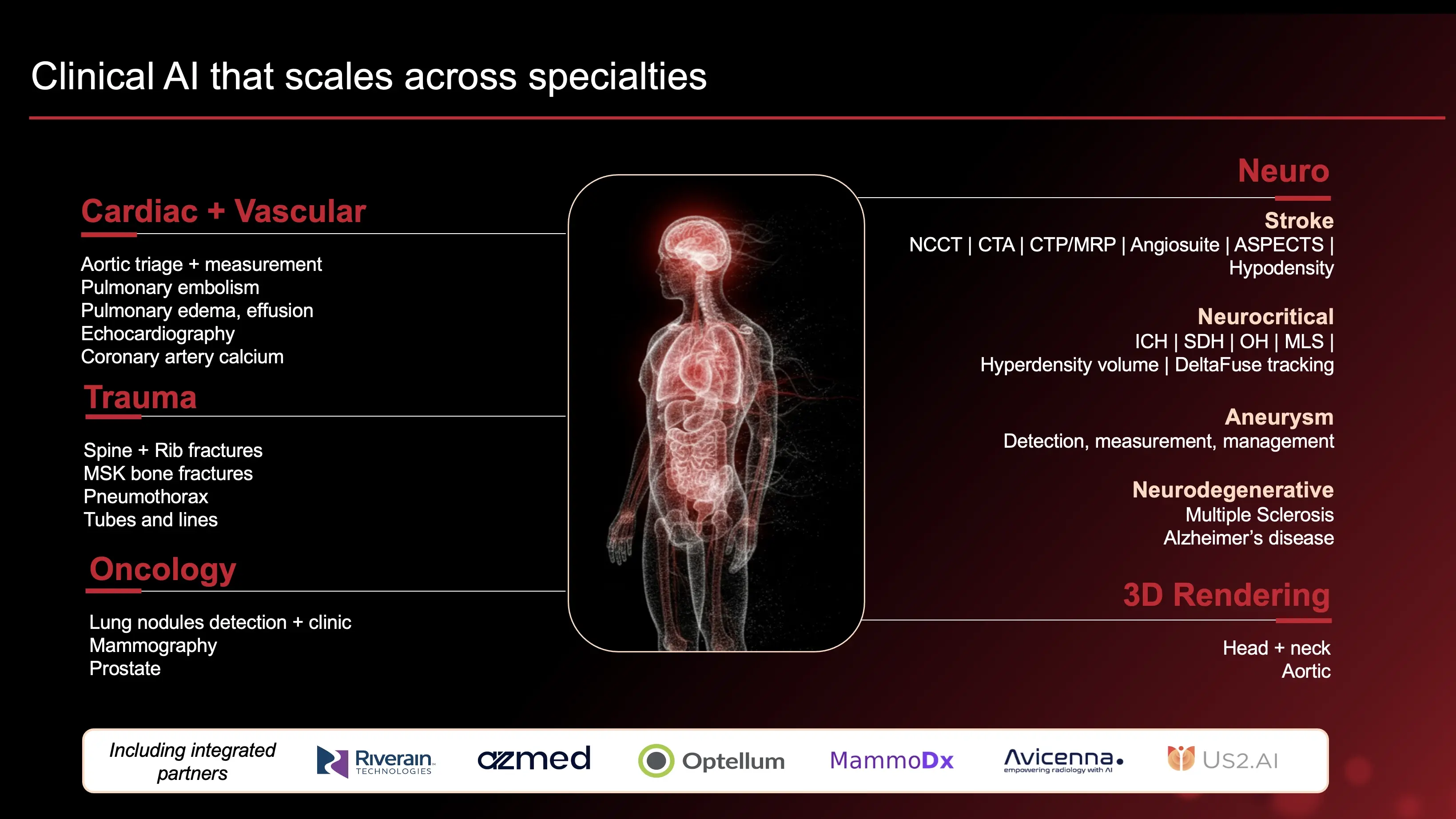
Broad disease state coverage, in a single workflow
Beyond our flagship solutions, we offer validated partner algorithms—seamlessly integrated into your workflow.
ORTHOPEDICS
Rapid VCF
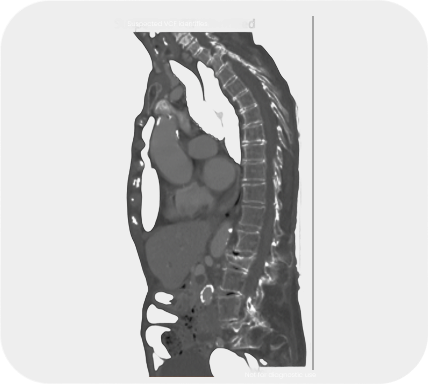
Detect suspected vertebral compression fractures in routine CT scans
- Address fractures early to improve outcomes and lower costs
Rapid C-Spine
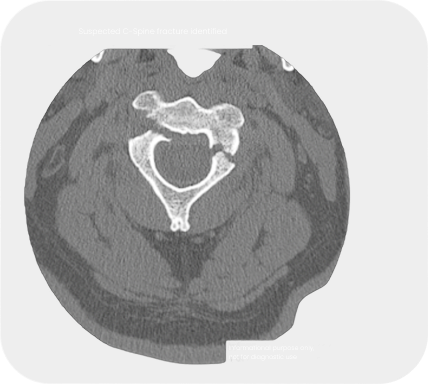
Identify suspected cervical spine fractures from NCCT imaging
- Reduce the delay between scan and interpretation for prompt medical attention
PULMONARY EMBOLISM
Rapid iPE
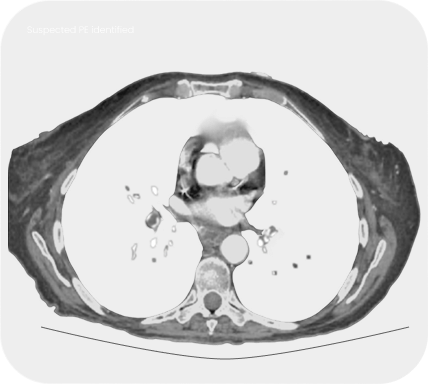
Review potential pulmonary embolisms in non-suspected cases
- Avoid delayed and missed findings, especially in cancer patients
Broad disease state coverage, in a single workflow
RapidAI delivers AI-driven insights across neurovascular, aortic, spine, chest, and cardiothoracic imaging—so radiologists can interpret a wide range of findings without switching systems or adding extra steps.

Neurovascular
Neurovascular
- Intracerebral hemorrhage (ICH)
- Subdural hematoma (SDH)
- Midline shift (MLS)
- Vessel occlusion (LMVO) / LVO/ MeVO
- NCCT LVO support
- Aneurysm
- DeltaFuse™ NCCT comparison
- Cranial fracture
- Obstructive hydrocephalus

Aortic
Aortic
- Aortic measurements
- Aortic morphology analysis
3D Reconstruction
3D Reconstruction
- Automated CTA reconstruction (head, neck, aortic arch)
- Curved planar reformats
- Vessel views + volume renderings
- Bone removal + segmentation
Spine
Spine
- C-spine fracture
- Vertebral compression fracture (VCF)
Chest & Cardiopulmonary
Chest & Cardiopulmonary
- Pulmonary embolism (PE)
- Incidental PE support (iPE)
- Lung nodules
- Nodule change analysis
- Pneumothorax
- Endotracheal tube (ETT) malposition
- Coronary artery calcium (CAC)
- Interstitial lung disease (ILD)
- COPD
- Emphysema
Broad disease state coverage, in a single workflow
Neurovascular
Aortic
3D Reconstruction
Spine
Chest & Cardiopulmonary
Musculoskeletal
Breast
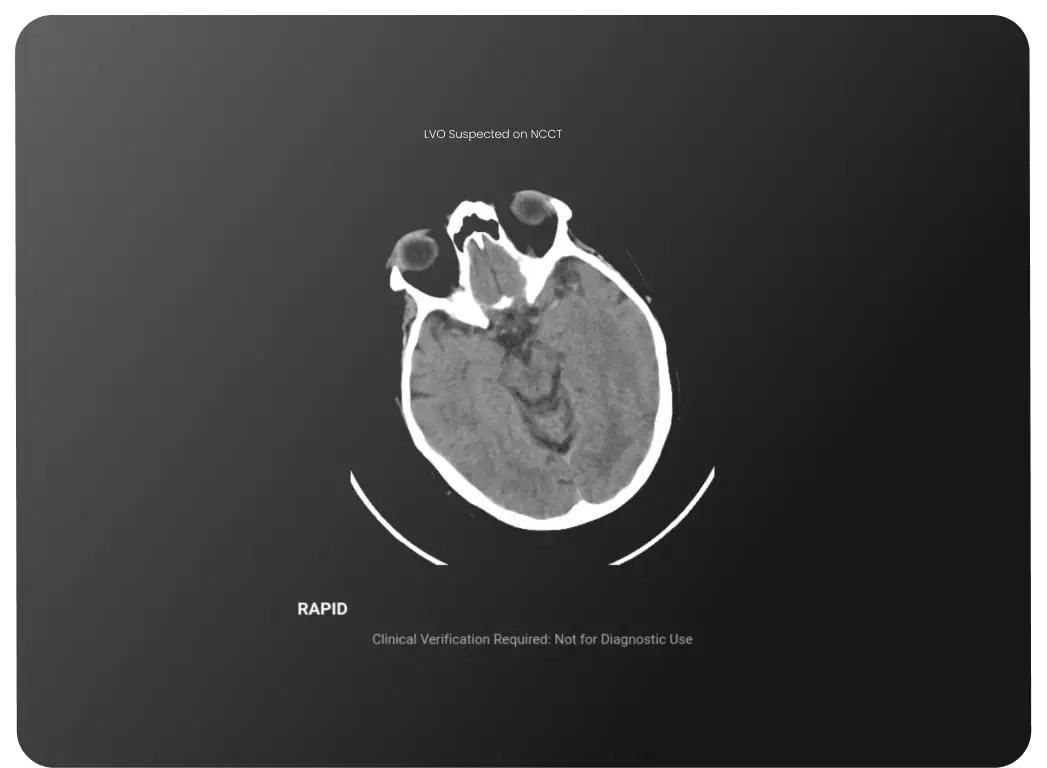
Neurovascular
- Intracerebral hemorrhage (ICH)
- Subdural hematoma (SDH)
- Midline shift (MLS)
- Vessel occlusion (VO+) / LVO/ MeVO
- NCCT LVO support
- Aneurysm
- DeltaFuse™ NCCT comparison
- Cranial fracture
- Obstructive hydrocephalus
Aortic
- Aortic measurements
- Aortic morphology analysis
3D Reconstruction
- Automated CTA reconstruction (head, neck, aortic arch)
- Curved planar reformats
- Vessel views + volume renderings
- Bone removal + segmentation
Spine
- C-spine fracture
- Vertebral compression fracture (VCF)
Chest & Cardiopulmonary
- Pulmonary embolism (PE)
- Incidental PE support (iPE)
- Lung nodules
- Nodule change analysis
- Pneumothorax
- Endotracheal tube (ETT) malposition
- Coronary artery calcium (CAC)
- Interstitial lung disease (ILD)
- COPD
- Emphysema
Musculoskeletal
- Rib fracture
- Extremity fracture
Neurovascular
- Breast lesions
Radiology Rewired
Radiology Rewired is RapidAI's podcast, where host Vivek Singh, MD sits down with radiologists, healthcare leaders and innovators to explore the future of imaging. Tune in for practical insights on AI, workflow innovation and the trends shaping radiology.