


Oncology solutions
AI precision from first incidental finding to final follow-up
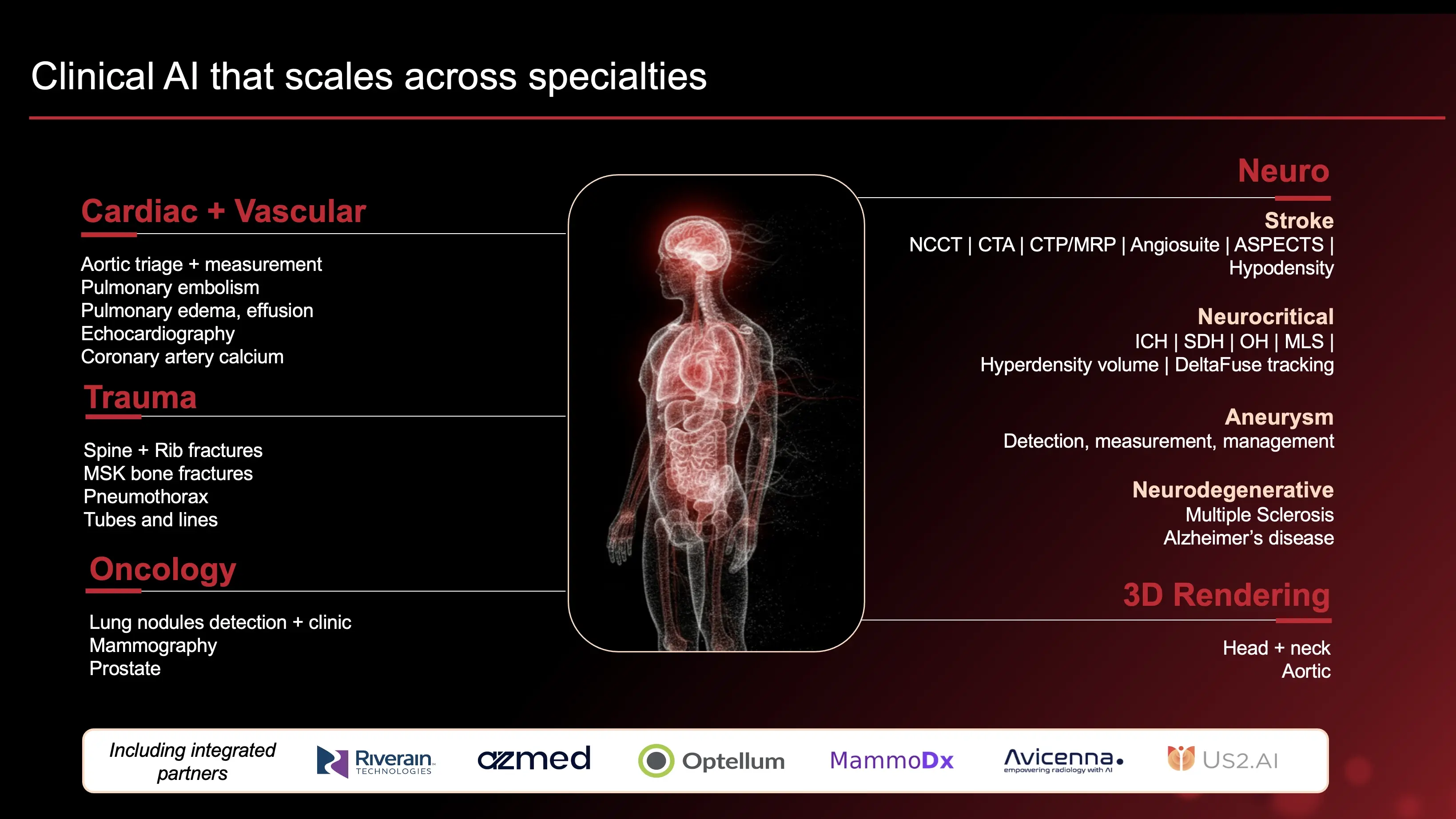
Pulmonary nodule detection
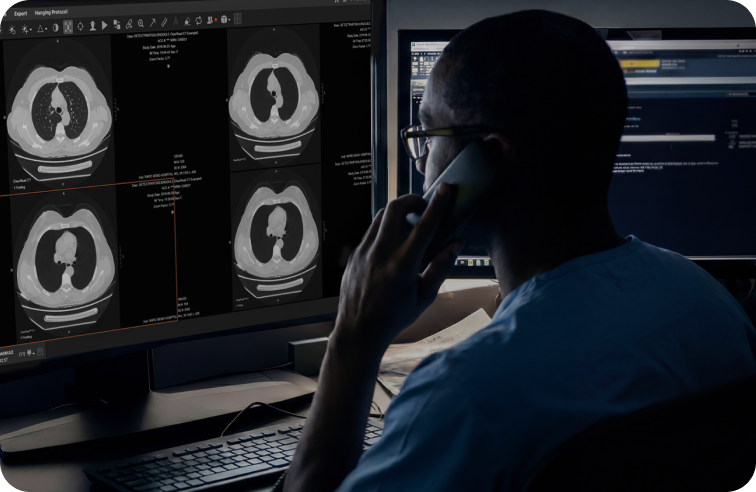
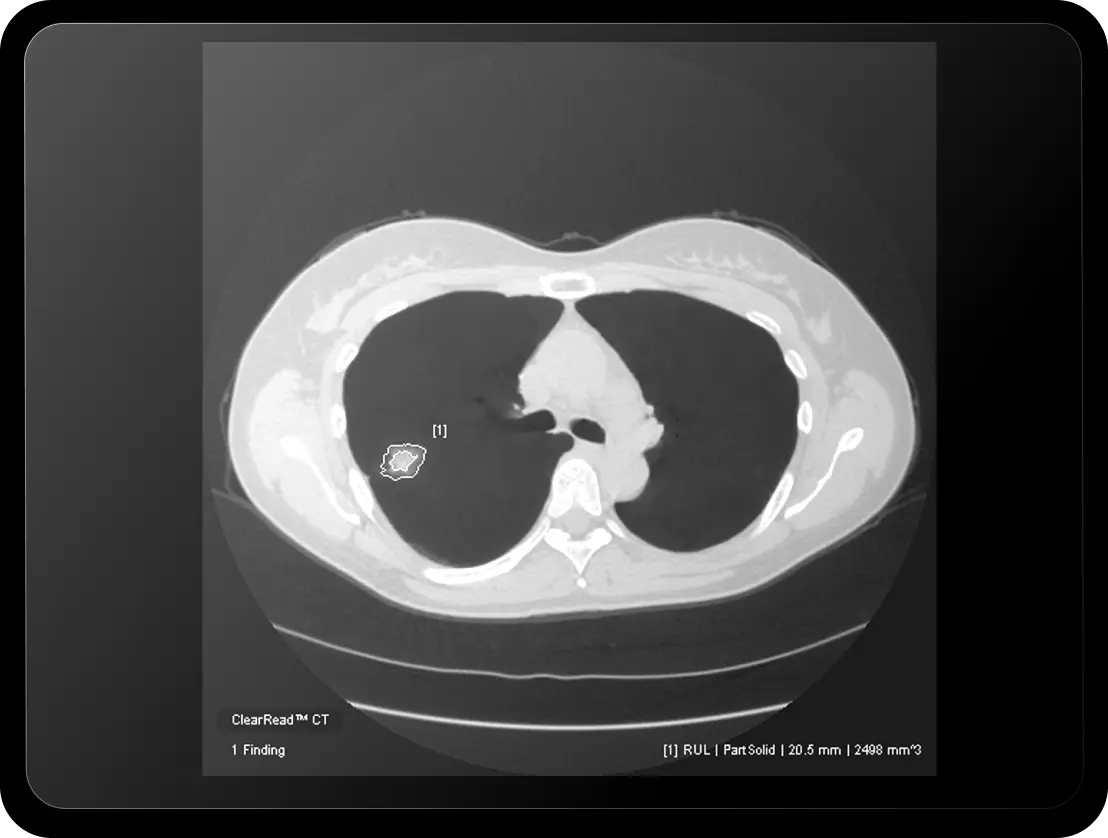
Incidental findings are flagged to help locate, characterize, and measure regions of interest for early lung cancer detection.
Improve accuracy and confidence in diagnosis by identifying incidental lung nodules, mitigating the risk, and providing intervention to those patients in need.
-
All nodule types – solid, sub-solid, ground glass
-
Automated lung nodule detection and analysis – on contrast, non-contrast, & low dose CT scans
-
Improved visualization of nodules – automated vessel suppression for an unimpaired view of the lung
-
Developed by Riverain and results deployed to the Rapid mobile and web apps, Navigator Pro™, and PACS
reduction in missed nodules1
faster radiology reads2
Lung cancer clinic management
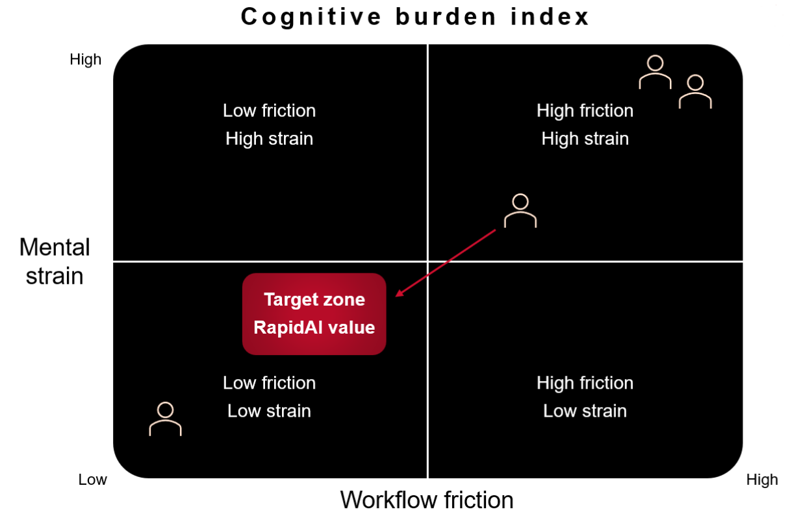
Virtual Nodule Clinic enables early lung cancer diagnosis and patient management
-
Identify more patients at risk
-
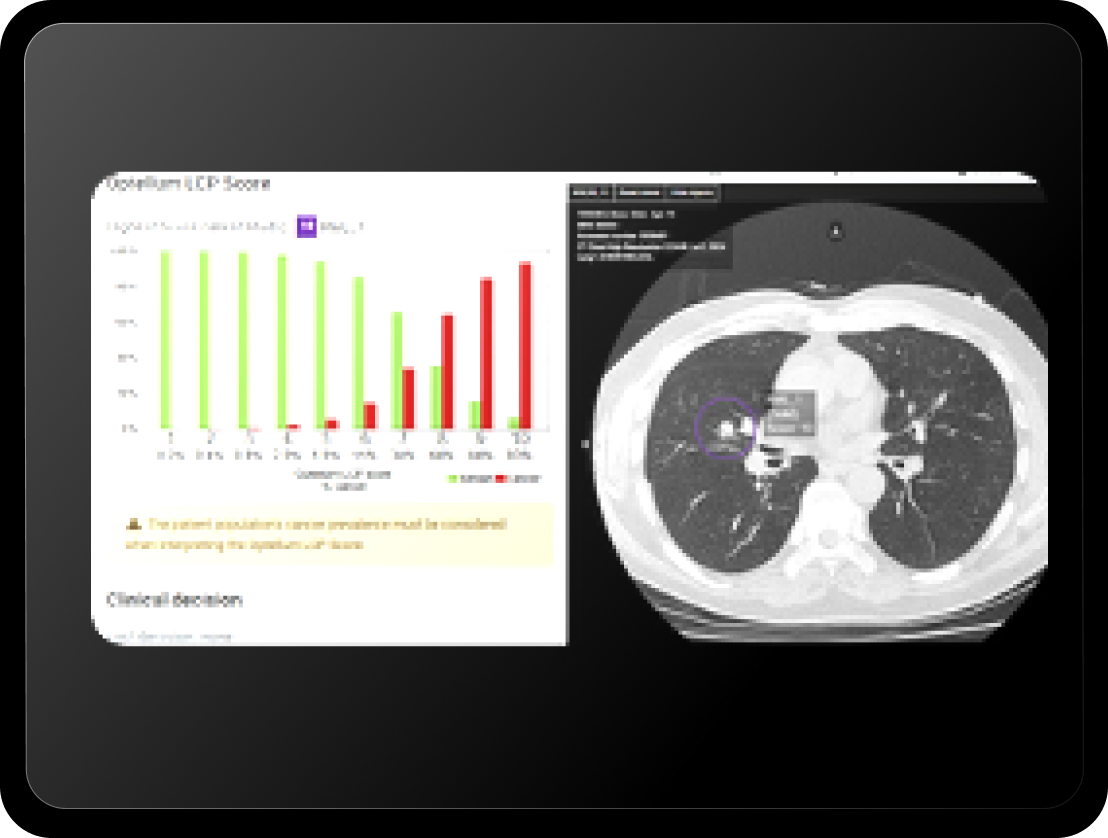
Lung cancer prediction (LCP) AI to enable optimal decisions
-
Triage, track, manage to ensure timely patient care
more early-stage lung cancers3
more interventional procedures4
reduction in loss to follow-up5
Testimonials

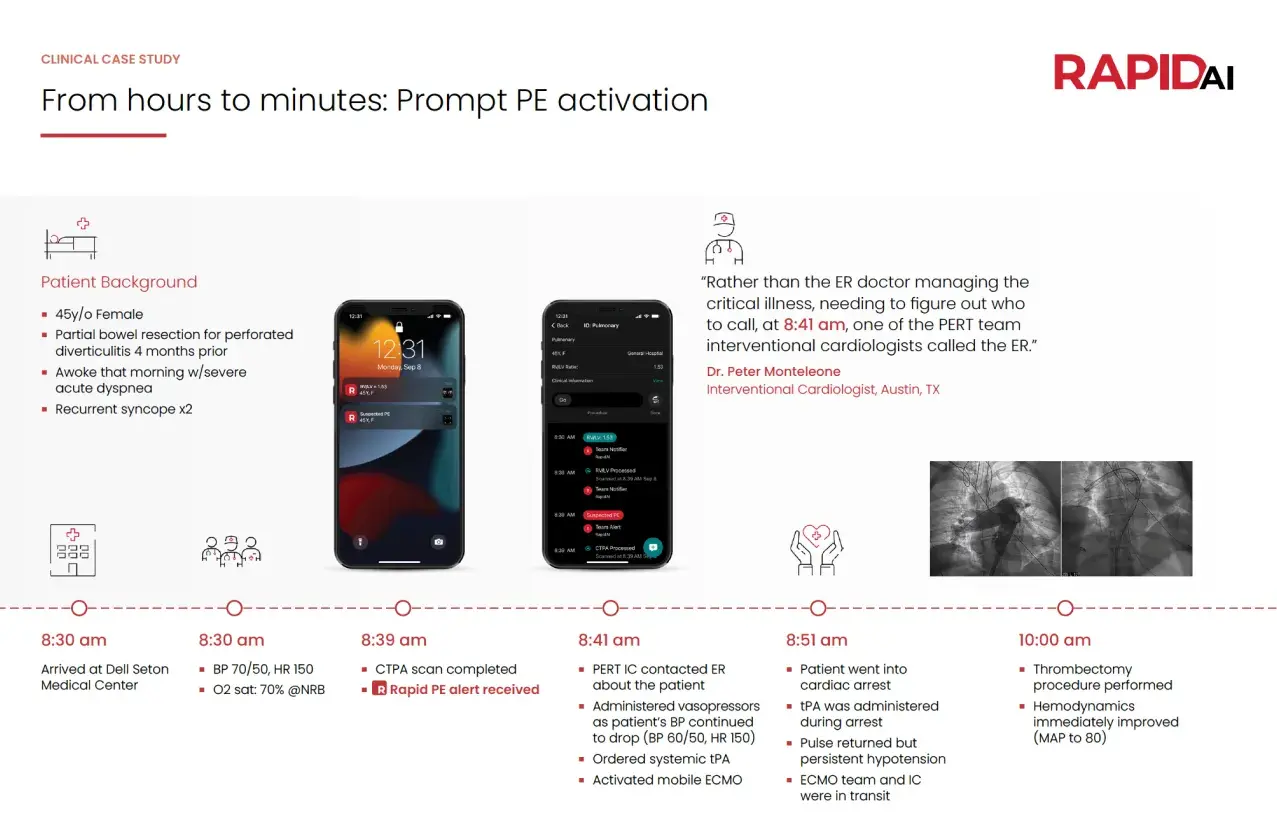
It is truly remarkable to see how, overnight, a single technology [RapidAI] has changed our ability to care for those patients efficiently, effectively, quickly and safely."

Where this AI piece will be incredibly helpful is that it’ll be a win-win-win for everyone. The referring hospital prevents leakage of patients when they can keep the patients who don’t need to be treated elsewhere. At the same time, the patient and his family members don’t have to travel or pay for separate ambulance rides to come to our center. Thirdly our hospital is limited in beds and we eliminate the need to occupy a bed for patients with low risk PE who can be managed with anticoagulation."
Mammography solutions
Mammo Dx
Mammo Density
BAC assessment
Mammo Dx
Mammo Dx elevates breast cancer assessment
-
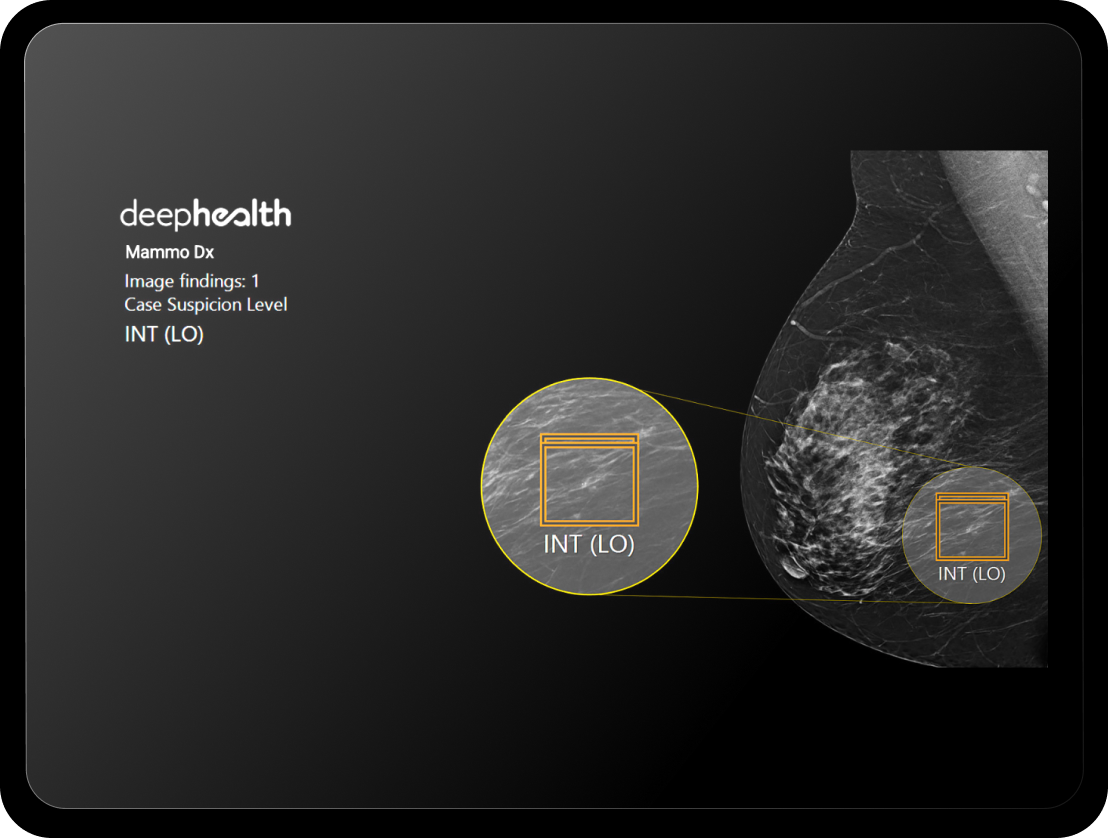
Detection and localization of regions of interest for masses, architectural distortions, asymmetries, microcalcifications, arterial calcifications
-
Degree of suspicion at case level (for prioritization) and lesion level (AI confidence)
-
Density Score on 2D or 3D supports objective decisions Prior case sync and compare images and risk scores
- Robust compatibility across gantries and systems
dense breast (BI-RADS C/D) cancer detections6
Shorter review times7
Mammo Density
density accuracy achieved(7)
BAC assessment
Mammography
Option 2 layout for mammography
Mammo DX
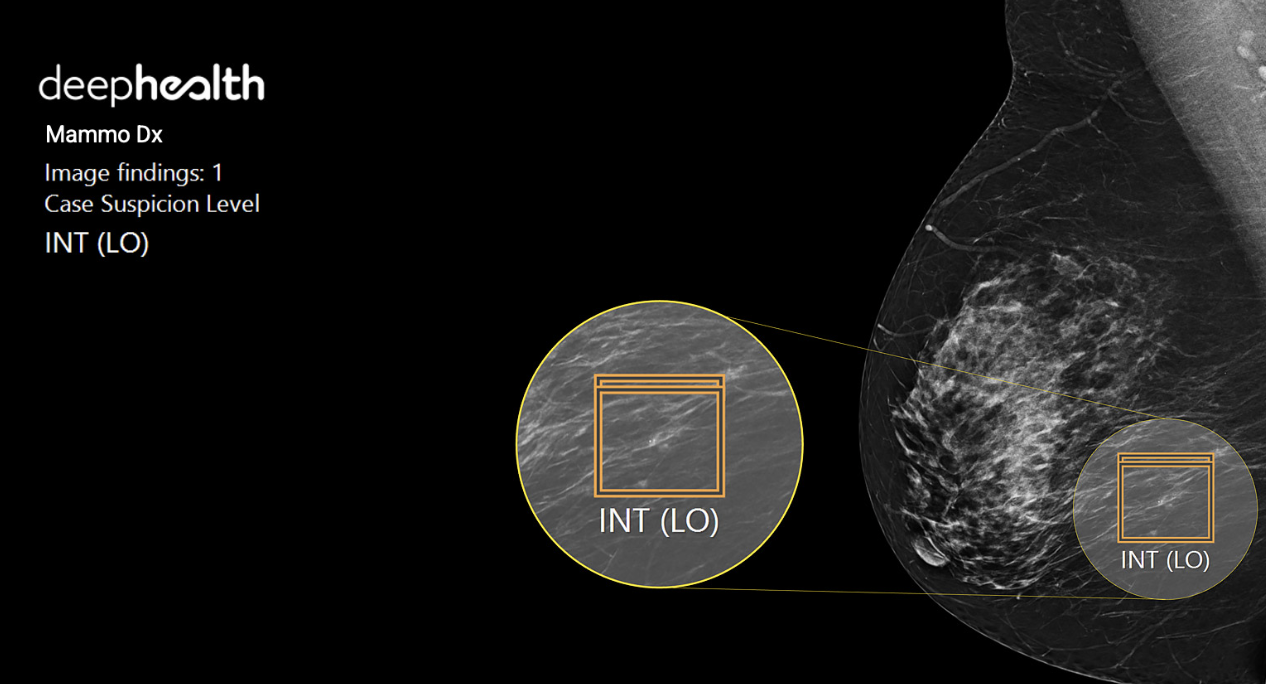
Detection and localization of regions of interest for masses, architectural distortions, asymmetries, microcalcifications, arterial calcifications
Mammo Density
Automated density
BAC
Breast arterial calcification