
Frost & Sullivan ranks RapidAI's enterprise platform ahead of 96% in the industry

Get report
Skip to content

Frost & Sullivan ranks RapidAI's enterprise platform ahead of 96% in the industry

Get report

Season 2 • Episode 4

The real reason healthcare AI stalls | Radiology Rewired

Episode overview

Most healthcare AI doesn't fail on accuracy. It fails when it tries to leave the lab and enter a hospital.

Artem Trotsyuk knows that gap firsthand. He earned his PhD at Stanford building a smart bandage for wound care, then watched the path from paper to patient turn into a harder problem than the engineering itself. Now part of a governance group at Stanford Health Care, he evaluates AI tools before they reach clinicians, weighing financial impact, ethics, and workflow fit against what patients, developers, and doctors each actually want.

In this episode: why vibe-coding gets you 80% of the way to a healthcare app and stalls at the clinical door, how hospitals actually score a tool's accuracy and risk, why the evidence keeps favoring augmentation over replacement, and how community hospitals without big budgets can get access to the same rigor.
About the host

dr-vivek-singh
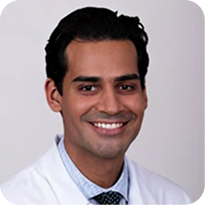
Vivek Singh, MD
Neuroradiologist, MUSC

Dr. Singh is a board-certified neuroradiologist and assistant professor at MUSC, where he completed his diagnostic radiology residency and neuroradiology fellowship, serving as chief resident in his final year. His expertise spans the full spectrum of diagnostic imaging, with a strong interest in stroke and brain tumor imaging, while also regularly interpreting general studies and performing a range of image-guided procedures.

A graduate of the Virginia Tech Carilion School of Medicine with dual undergraduate degrees in Human Nutrition and Biochemistry from Virginia Tech, Dr. Singh developed a deep interest in AI during training. He focuses on how AI can improve early disease detection, expand therapeutic imaging, enhance screening programs, and triage critical findings. He is particularly interested in the evolving role of radiologists as information integrators, combining AI insights with imaging, genomics, and clinical data to guide diagnosis and treatment.

About the guest

Artem_Trotsyuk
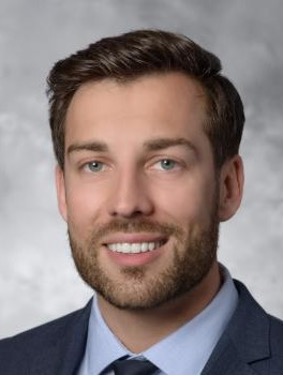
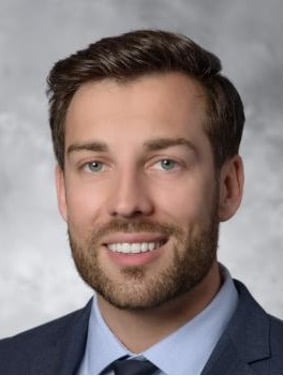
Artem Trotsyuk, PhD
Stanford Medicine (AI/biotech research)

Artem Trotsyuk is a bioengineer and computer scientist specializing in AI implementation and organizational scaling in healthcare and technology environments. He serves as an AI Research Fellow at Stanford University’s Department of Genetics, where his work focuses on evaluating AI systems in biomedicine and designing scalable AI workflows.

He holds a PhD in Bioengineering and a Master’s in Computer Science (AI specialization) from Stanford, where his research centered on AI-powered medical devices and real-time health systems. His experience spans AI strategy, deployment, and system design—working across startups, enterprises, and research institutions to bring AI from concept to production.