
Skip to content

Season 1 • Episode 1

AI Meets Imaging | Radiology Rewired

Episode overview

In the debut episode of Radiology Rewired, RapidAI’s new clinician-led podcast hosted by Dr. Singh, Dr. Greg Albers—founder of RapidAI and professor of neurology at Stanford University—shares the story behind one of medicine’s most important breakthroughs: extending the stroke treatment window to 24 hours.

Dr. Albers recounts how decades of imaging research led from early diffusion-perfusion MRI to automated AI tools that changed global stroke guidelines and transformed how teams diagnose and treat patients.

This episode explores how deep clinical AI is reshaping radiology and why credible, clinician-led innovation remains essential for the next generation of healthcare technology.

Episode highlights

00:00

Introduction: Will AI replace radiologists?

02:15

The origins of stroke imaging research

06:40

How diffusion and perfusion imaging redefined treatment

12:10

The creation of RapidAI and clinical automation

18:00

Why AI reinforces, not replaces, radiologists

25:00

The future of explainable AI in stroke care
About the host

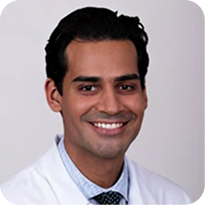
Dr Vivek Singh
Vivek Singh, MD
Neuroradiologist, MUSC

Dr. Singh is a board-certified neuroradiologist and assistant professor at MUSC, where he completed his diagnostic radiology residency and neuroradiology fellowship, serving as chief resident in his final year. His expertise spans the full spectrum of diagnostic imaging, with a strong interest in stroke and brain tumor imaging, while also regularly interpreting general studies and performing a range of image-guided procedures.

A graduate of the Virginia Tech Carilion School of Medicine with dual undergraduate degrees in Human Nutrition and Biochemistry from Virginia Tech, Dr. Singh developed a deep interest in AI during training. He focuses on how AI can improve early disease detection, expand therapeutic imaging, enhance screening programs, and triage critical findings. He is particularly interested in the evolving role of radiologists as information integrators, combining AI insights with imaging, genomics, and clinical data to guide diagnosis and treatment.

About the guest

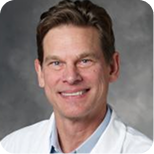
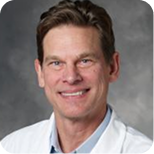
Dr Greg Albers
Greg Albers, MD
Professor of Neurology, Stanford University
Director, Stanford Stroke CenterScientific Lead and Co-Founder, RapidAI

Dr. Albers is a prominent figure in the field of stroke research and treatment, known for his extensive contributions to the diagnosis, management, and prevention of ischemic stroke. As the director and co-founder of the Stanford Stroke Center since its inception in 1992, Dr. Albers has played a pivotal role in advancing stroke care through innovative research and technology. Dr. Albers has led the NIH-funded DEFUSE studies, which have greatly improved the understanding and timing of stroke treatments, notably extending the treatment window to 24 hours with the DEFUSE 3 study. He has authored over 450 peer-reviewed articles and serves as Chairman of the Stroke Treatment Academic Industry Roundtable (STAIR). In 2011, he received the American Heart Association’s David G. Sherman Award for his contributions to stroke research.